Matt Witt publishes ‘Monumental Beauty’ at a time of concern that gains in the federal protection of public lands might be at risk
By Lee Juillerat for Ashland.news
For Matt Witt, the Cascade-Siskiyou National Monument is more — far more — than a place on map. For Witt it’s a place to immerse himself in nature, to appreciate and experience its incredible diversity.
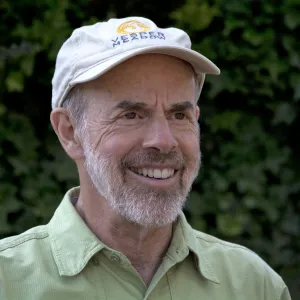
“I’ve always been a hiker and a backpacker. And found taking a camera made me look more closely at what I was seeing and getting me more absorbed and involved,” Witt explains of how photography has enhanced and expanded his outdoor experiences.
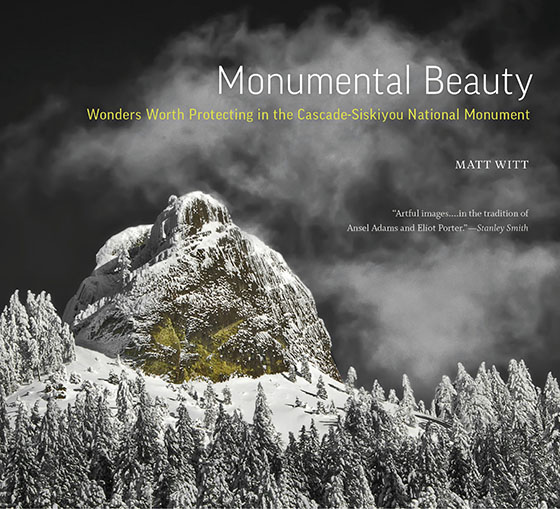
And, because of his proximity to the Cascade-Siskiyou — he lives in the Rogue Valley community of Talent — he’s been a frequent visitor. To show his appreciation, Witt has created a photo book, “Monumental Beauty: Wonders Worth Protecting in the Cascade-Siskiyou National Monument” to celebrate its 25th anniversary.
Seeking to build awareness
“I still find there are people here,” he said, referring to Southern Oregon and far Northern California, “who don’t know there is a national monument here, so it seemed important to build public awareness, especially at this time.”
Witt is referring to comments by the current Secretary of the Interior, Doug Burgum, to review the boundaries of several national monuments. The Cascade-Siskiyou, which includes 114,000 acres of the Cascade and Siskiyou Mountain ranges and is managed by the Bureau of Land Management, was established by President Bill Clinton on June 9, 2000, and expanded by President Barack Obama on Jan. 12, 2017. The expansion happened after a series of court cases upheld the expanded designation.
For Witt, the monument has been a place to hike, backpack and experience its diverse ecosystems, including its 200 species of birds, many types of amphibians, its mixture of geological features and incredible varieties of flora.
A unique place
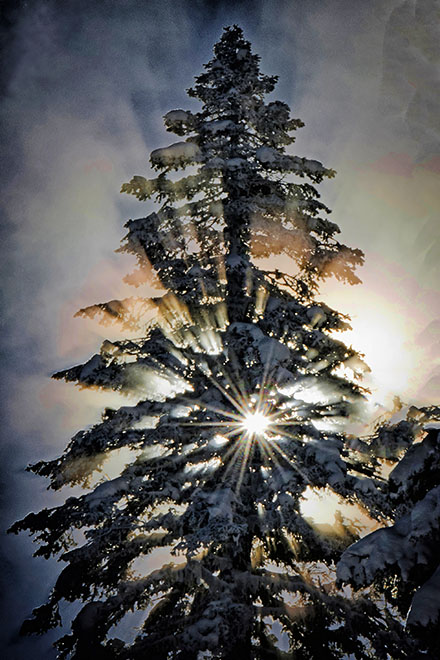
As he writes in the book’s introduction, “It is a place where the low winter sun lights up mysterious snowy shapes below steep Pilot Rock, a peak that was formed by volcanic activity 25 million years ago. Old-growth sugar pines, incense cedars, junipers, ponderosa pines, oaks, madrones, Douglas firs, and trees of many other species stand tall, some with trunks so big you can’t begin to get your arms around them.
“Isolated upstream from a waterfall estimated to be 5 million years old live populations of three species of fish believed to have been there at least since the end of the Ice Age about 11,000 years ago. In spring and summer, the glow of richly colored wildflowers attracts equally colorful pollinators.
“Precarious cliffs and the Pacific Crest Trail provide views of 14,000-foot Mount Shasta; other peaks like Mount McLoughlin and Mount Ashland; and the Marble Mountain, Mountain Lakes and Trinity Alps Wilderness areas.
“It is also a place where you might see a gray fox or bluebird or black bear or pygmy owl or a gray wolf or mountain lion looking for deer. A relative lack of light pollution in parts of the monument makes it easier to see the aurora borealis on rare occasions.”
Remarkable biodiversity
“But the main reason the Cascade-Siskiyou National Monument was established,” he writes,” is its remarkable biodiversity. It connects multiple ecosystems, including the Cascade Range, the Siskiyou Mountains, the Klamath Mountains, and the Great Basin, juxtaposing and mingling a wide variety of plant and animal populations. The monument contains at least 130 species of butterflies and at least 209 species of birds. In all, more than 3,500 different plants and mammals, invertebrates, insects, reptiles, birds, and other living beings may be found here….
“As I have photographed in and around the monument, I have been more concerned with art and wonder than with documentation. I am drawn not only to uncluttered landscape images but also to details, shapes, and colors that reveal the monument’s beauty, up close and personal. The monument is important for scientific and ecological reasons, but it is also a place to appreciate and immerse ourselves in the natural world.”
Proceeds go to public lands nonprofits
Witt captures that world” in “Monumental Beauty,” a collection that features 132 of his photos that illustrate the monument’s beauty and diversity. And, because he wants the region to continue to be preserved and appreciated, 100% of the money generated by the book will go directly to “local nonprofit organizations that promote and defend our public lands.”
Copies of the book can be ordered at MattWittPhotography.com and MonumentalBeauty.org. Copies will also be available at the Rogue Gallery in Medford, Siskiyou Mountain Club in Talent, Pollinator Project in Phoenix, and the Northwest Nature Shop and Bloomsbury Books in Ashland.
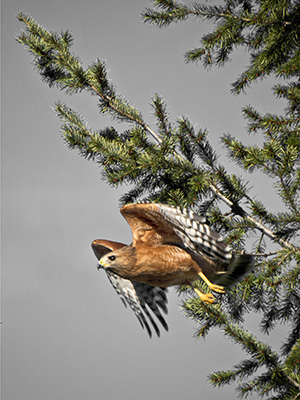
Witt’s photographic history
Over the years Matt Witt’s experiences and passion for photography has allowed him to experience a wide variety of places. He was, for example, an artist in residence at Crater Lake National Park, Cascade-Siskiyou National Monument, the Absaroka-Beartooth Wilderness Foundation, John Day Fossil Beds National Monument, Mesa Refuge, and PLAYA in Summer Lake. He is an artist in partnership at the Vesper Meadow Restoration Preserve.
His photographs have been selected for exhibitions in the U.S. and Europe, including the fifth Biennial Exhibition of Fine Art and Documentary Photography in Barcelona, Spain, and in “Land Almost Lost,” a book about national monuments. His writings have been published in major newspapers and literary journals in the U.S., Mexico and Sweden.
A previous book, “In Our Blood,” is about “environmental and occupational health, racial justice, indigenous rights, and workplace democracy in coal communities.” And he made a 20-minute documentary, “$4 a Day? No Way!,” about working people in Mexico, the U.S. and Canada who are “courageously organizing together for better conditions in all three countries.”
Witt regularly contributes as a photographer, writer and trainer for local organizations in the Rogue Valley. His photos appear in each edition of the free emailed bulletin, World Wide Work, which alerts readers to new films, books and music.
To learn more and see examples of his work visit his website at mattwittphotography.com.
Email freelance writer Lee Juillerat at [email protected].
May 25: Story updated to reflect that monument was established in 2000, not 2020.